
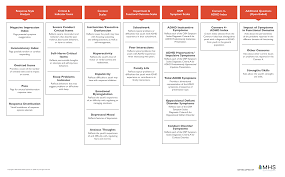
Conners 4 Age is 6 to 18 years old.
The Conners 4 is a modern psychological assessment tool used to evaluate attention-related and behavioral conditions in children and teens. It is widely used by psychologists, schools, and clinicians worldwide. The tool helps identify symptoms of ADHD and other behavioral concerns in a structured way. The conners 4 age range is specifically designed to ensure accurate and age-appropriate results.
The Conners 4th Edition is an updated version of earlier Conners scales. It offers improved accuracy, better reporting, and more inclusive data. Today, it is considered one of the most trusted tools in child psychology.
Introduction
The Conners 4 is a widely recognized behavioral assessment system used for children and adolescents. It helps professionals evaluate attention issues, emotional challenges, and behavioral patterns. The tool is mainly used in schools, clinics, and research environments.
Understanding the conners 4 age range is very important. This ensures the test is used correctly and produces reliable results. The assessment includes different forms, such as parent reports, teacher reports, and self-reports. Each form provides a unique perspective on the child’s behavior.
The Conners 4 is famous because of its scientific accuracy and ease of use. It helps identify ADHD, learning difficulties, and emotional concerns early. Early detection allows better support and treatment planning.
In today’s world, where mental health awareness is growing, tools like Conners 4 play a key role. It supports both professionals and families in understanding children better.
Early Life & Background
The Conners assessment system was originally developed by psychologist Dr. C. Keith Conners. His work focused on understanding behavioral issues in children, especially ADHD. Over time, his research evolved into a standardized testing system.
The earlier versions of Conners scales were widely used across the world. However, with changing educational and psychological needs, an updated version became necessary. This led to the development of Conners 4.
The Conners 4 was created using modern research methods. It includes data from diverse populations, making it more accurate and inclusive. The developers focused on improving clarity, usability, and reliability.
Education systems and mental health professionals contributed to its development. Feedback from teachers, parents, and clinicians helped refine the tool.
The conners 4 age range was carefully designed based on developmental psychology. Children under 6 require different tools, while adults need separate assessments. This is why Conners 4 focuses only on ages 6 to 18.
Career Journey
The journey of Conners 4 began with earlier versions of the Conners Rating Scales. These tools were among the first standardized methods to assess ADHD symptoms in children.
Over the years, the assessment gained popularity. Schools and clinics started using it regularly. However, as research advanced, the need for a more updated version became clear.
This led to the development of Conners 4th Edition. It introduced several improvements:
- Better question structure
- Updated scoring system
- Digital assessment options
- Improved accuracy
One major turning point was the inclusion of self-report forms for older children. This allowed children to share their own experiences, making the assessment more comprehensive.
Another key milestone was the expansion of behavioral categories. Conners 4 does not only focus on ADHD. It also looks at emotional and social issues.
The conners 4 age range plays a critical role in its success. By focusing on children and adolescents, the tool ensures precise results. This makes it highly reliable for diagnosis and treatment planning.
Today, Conners 4 is used globally. It is trusted by psychologists, educators, and healthcare professionals. Its career journey reflects continuous improvement and scientific advancement.
Wikipedia Style Bio Table
Name: Conners 4th Edition
Age: Designed for ages 6–18
Date of Birth: Latest edition released in recent years
Birthplace: Developed in the United States
Nationality: International usage
Profession: Psychological Assessment Tool
Famous For: ADHD and behavioral evaluation
Net Worth: Not applicable (clinical tool)
Marital Status: Not applicable
Major Achievements
The Conners 4 has achieved significant recognition in the field of psychology. One of its biggest achievements is improving the accuracy of ADHD diagnosis.
It has replaced older versions in many institutions. This shows the trust professionals have in its updated system.
Another major milestone is its digital integration. The tool can now be used online, making it easier and faster to administer.
The inclusion of multiple perspectives is also a key achievement. Parent, teacher, and self-reports provide a complete picture of behavior.
The conners 4 age range ensures that results are age-appropriate. This improves reliability and reduces errors in diagnosis.
It has also contributed to research. Many studies use Conners 4 data to understand child behavior better.
Overall, its achievements highlight its importance in modern psychology.
Personal Life
Although Conners 4 is not a person, its “personal side” lies in how it impacts real lives. Families and children benefit greatly from this tool.
Parents use it to understand their child’s behavior. Teachers rely on it to support students in classrooms. Clinicians use it to create treatment plans.
The tool fits into daily life by providing clear insights. It helps reduce confusion and stress for families.
The conners 4 age range ensures it matches the developmental stage of the child. This makes the results more meaningful.
Its lifestyle can be described as practical and supportive. It works quietly behind the scenes to improve lives.
Interesting Facts
- Conners 4 is one of the most trusted ADHD assessment tools.
- It includes parent, teacher, and self-report forms.
- The conners 4 age range is strictly 6 to 18 years.
- It is used in schools, clinics, and research centers.
- The tool supports early diagnosis of behavioral issues.
- It includes digital and paper formats.
- Results are based on large research data sets.
- It helps in both diagnosis and treatment planning.
Net Worth
Conners 4 does not have a net worth like a person. However, its value in the psychological field is very high.
It is part of professional assessment systems used worldwide. Institutions invest in it for accurate diagnosis and research.
Its “income” comes from licensing and professional use. Clinics, schools, and psychologists purchase access to the tool.
The conners 4 age range adds to its value by ensuring accurate results. This makes it a reliable investment for professionals.
Overall, its worth lies in its impact rather than money.
FAQ Section
Q1: What is the conners 4 age range?
A: The conners 4 age range is 6 to 18 years.
Q2: Can adults use Conners 4?
A: No, it is only for children and adolescents.
Q3: Why is the conners 4 age range important?
A: It ensures accurate and age-appropriate results.
Q4: What does Conners 4 measure?
A: It measures ADHD symptoms and behavioral issues.
Q5: Who uses Conners 4?
A: Psychologists, teachers, and healthcare professionals.
Q6: Is Conners 4 available online?
A: Yes, it offers digital assessment options.
Q7: Can parents complete the test?
A: Yes, parent-report forms are included.
Conclusion
The Conners 4 is a powerful and reliable tool in modern psychology. It helps identify behavioral and attention-related issues in children and teens.
Understanding the conners 4 age range is essential. It ensures the tool is used correctly and effectively. By focusing on ages 6 to 18, it delivers accurate and meaningful results.
Its journey from earlier versions to the latest edition shows continuous improvement. Today, it stands as a trusted resource for professionals worldwide.
In a world where mental health matters more than ever, tools like Conners 4 make a real difference. They help children get the support they need and guide families toward better understanding.
The future of psychological assessment looks bright, and Conners 4 is a big part of that progress.
